
Women’s Economic Empowerment
Women must have equal power and opportunity to make and act on economic decisions and share in economic benefit.
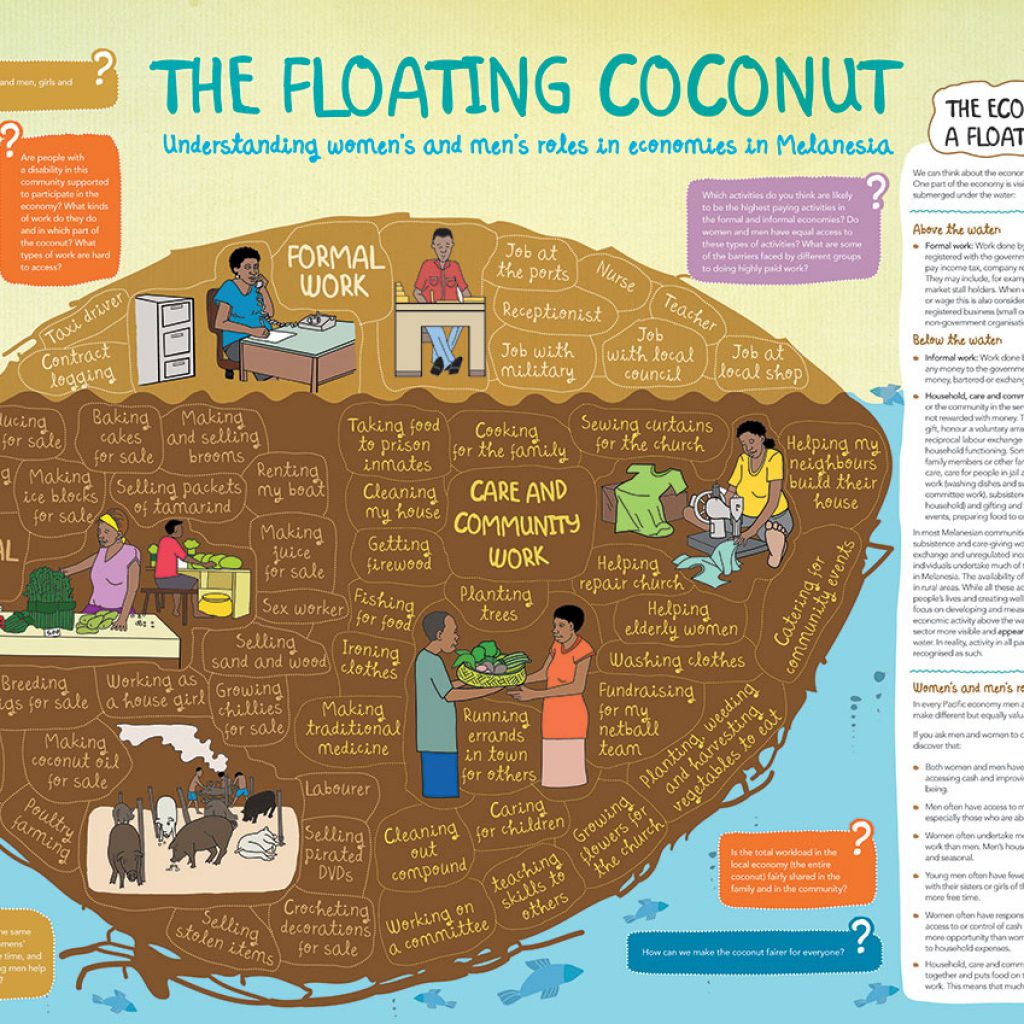
IWDA supports decent and safe work for all, equal pay for equal work, full and productive employment choices and respect for the substantial unpaid and informal work that women do around the world, because we know that gender equality and sustainable economic management go hand in hand.
We generate new evidence and bring visibility to valuing women’s unpaid work, reproductive roles and the care economy. Our program and project partnerships and our research work improve women’s opportunities to earn and save and gain skills and knowledge in financial management and business or organisational development. We promote labour rights and land rights for women and we resource organisations protecting the environment, the workplace or legislative settings to close the gender gap.
IWDA confronts the economic dimensions of gender inequality. We support individuals and organisations to become independent thinkers, to drive their own agendas for sustainable livelihoods and access to financial services for all.
By investing in women-focused organisations we can achieve lasting community gains by addressing the root causes of social, political and economic problems. We can transform systems, structures and the social norms that create the present exclusion of the majority of citizens.
Our Goal
Women will have equal power and opportunity to make and act on economic decisions and share in economic benefit.
Our impact in 2016
1,278
Women participated in economic empowerment training
261
People experiencing poverty had increased access to financial services
565
People now have the skills needed to achieve a sustainable livelihoods
RESOURCES LIBRARY
Read and download the latest research, articles and toolkits on Women’s Economic Empowerment.
Our partners for change